 |
|
|
|

|

|

|

|

|

|

|

|

|

|

|
Process Characterization, Process Optimization, |
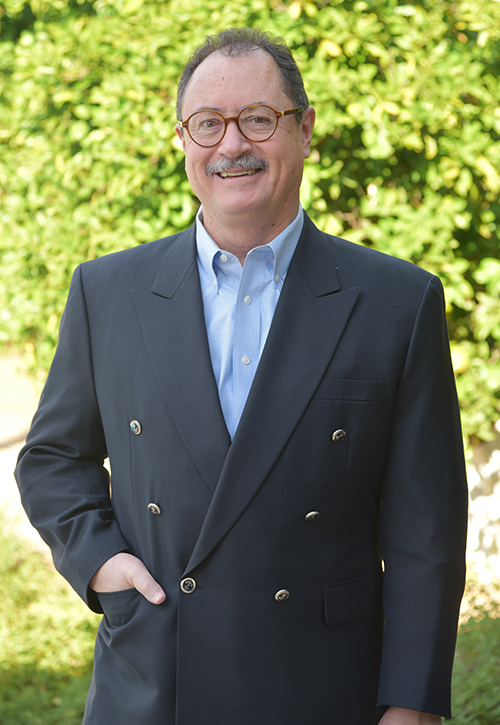
Founder of ASC: Mario Perez-Wilson |
Books & Software |
News |
||||||||||||||||||||||||||||||||
|
|
|
||||||||||||||||||||||||||||||||
| ASC is the consulting firm with most experience in implementing Six Sigma. It was the first to teach and implement Six Sigma in the 1980s. ASC provides all the training and consulting from top to bottom, from beginning to end. |
 |
| "I am looking forward to another session that deals in more detail on design of experiments and control charts." Serafin Pedron - Engineering Supervisor, Olin Interconnect Technology |
| "It [The M/PCpS Methodology] was a very good explanation of the methodology to follow in order to improve the processes on our workplace" Edgar Villafuerte - Six Sigma Green Belt, Philips Electronics |
| "This course is a must for manufacturing professionals. Mario Perez-Wilson presents his material in an eloquent fashion, displaying his experience, knowledge, and expertise. This was the most concise and comprehensive course I've taken for Process Improvement Methodologies." Ron Koronkowski - Quality Assurance Engineer, Ventritex, Inc. |
| "While I felt not as well prepared for the course, being a mechanical design engineer, as my quality control engineering counterparts, I feel good about my progress into the understanding of the methodology of the program and feel that with some experience in using your M/PCpS program, I can borrow much better. Thank you." Kenny Thomeczek - Melton Machine, |
| "Es un curso excelente que me ha ayudado a aprender bastante. Las practicas estan muy bien disenadas." Jose Luis Gonzalez Carrillo - Equipment Improvement Leader, Sanmina-SCI |
| "The [MPCpS] course was helpful is addressing our wire bonding equipment and relevant SPC Quality Requirements." Jack Flynn - Q.A. Manager, Entran |
| "I think we learned more by applying [MPCpS] what we learned to our product. I have taken four or five SPC classes in the past 20 years, and never really got it until today." Dan Shanahan - Manager Manufacturing Engineering, Sikorsky Aircraft |
| "The Mario Perez-Wilson system is very similar to the system which has worked well at LSI Logic. The Mario Perez-Wilson system added a few unique techniques which we will include in our system to further improve it." Christian Benwenuti - SPC Coordinator, LSI Logic |
| "This is a very good course toward 6 Sigma quality. It is a 'life statistics', I encourage all manufacturing engineers to attend this class." Tony C.R. Tsai - R & QA Manager, Motorola Electronics , Taiwan |
| "I have been taking courses and practicing SPC in a manufacturing environment for 21 years. The realistic approach to implementation and use, combined with step by step actions and forms will prove extremely beneficial." John Bleyaert - Manager, Connector Service Corp. |
| "I enjoyed the class. I believe the methodology is of value if management will let the process progress at its normal rate." Jeffrey Keck - SMTS, Sandia National Laboratory |
| "The best course a Process Engineer could attend. I feel there is no use in proceeding with Process Capability Study without attending this course. This course helps in developing an Engineer for mastering the process by knowing every detail of the machine." Eric D'Souza - Process Engineer, Motorola (P) Ltd. |
| "The book [The M/PCpS Methodology] is a classic step by step simple methodology to do things right the first time." Carlos Frontera - Product Support Engineer, Motorola Electronica de Puerto Rico |
| "The M/PCpS lecture was very enlightening and I believe the book will serve a good reference." Philip Tong - Enhart Singapore, Singapore |
| "Mario takes a no-nonsense approach to provide designers and manufacturers with what they need to know and use M/PCpS." W. David Williams - Quality Assurance Engineering Manager, Sandia National Laboratory |
| "Excellent Six Sigma training. Instructor is highly qualified and has applied these principles in actual industrial applications. Superb course material." Amalendu Sanyal - Sr. Quality Engineer, Vicor Corporation |
| "This course gives me the chance to organize the knowledge of knowing the machines and process, and helps me to characterize the process systematically." Yian Chen - Process Engineer, Motorola Electronics, Taiwan |
| "I think and belief in SPC as a system. Mario has the real way to teach how to implement this system. I think my knowledge was improved greatly. Please allow me to congratulate Olin for the choice to train all engineers on this SPC matter." Artemio del Rosario - SPC Facilitator, Olin Interconnect Technologies |
| "This is a fundamental course all engineers should have under their belt. It is a straight forward and practical method for bridging theory with [production] floor work." Sandra Ward - Process / R&D Engineer, Los Alamos National Laboratory |
| "Excellent material, excellent presentation...a must for today's process demands." Andy Kalnasy - Process/Equipment Engineering, Motorola, Inc. |
| "Excellent class." Jay Roach - Manufacturing Engineering Manager, Motorola, Inc. |
| "Excellent material and presentation on Machine/Process Capability. Instructor has excellent working knowledge of material." Merv Dunn - Vice President Total Quality, Arvin Industries |
| "Look forward to further sessions for staff at Sandia, and will encourage GEND to incorporate this course for their staff at Pinellas, Florida plant." Tom Cutchen - Department Manager, Sandia National Labs |
| "I enjoyed the class a great deal. It is clear this type of methodology is long overdue in plastics assembly. My hats off to the instructor and his material -- Superb Job!" Larry Orr - Equipment Engineer Technician, Motorola, Inc. |
| "Es un curso realmente interesante especialmente para las empresas que aun no han visualizado la importancia y los beneficios de caracterizar ... los processos estadisticamente." Martha Tolano - New Products Introduction Engineer, Adflex Mexico |
| "I liked the handbook that went with the book. Doing the exercises in the book helped me learn the techniques that you explained." Shelley Blackburn - Sustaining Engineer, Alphatec USA |
| "I felt privileged to have taken this course with Mario. It was great to be trained on using the Six Sigma tools for engineering problem solving. And very interesting to see what the tools don't apply to." Artemis Record - Manufacturing Engineer, Vicor Corporation |
| "This course is extremely relevant to all engineers, managers, technicians and for that matter everyone involved in manufacturing and concerned with quality. Mario presents the material in a coherent, clear and easy manner, allowing the students to grasp the concepts and methodology. Mario's teaching is 'de Primera Clase'" Ray Avalos - Applications Engineer, Panasonic Factory Automation |
| "The [MPCpS] class and instructor were extremely well organized. Excellent course." Barry Ousley - Polisher, Zimmer |
| "For an introduction into continuous improvement through process and machine optimization, this course was enlightening and comprehensive. It is the starting point that creates the required enthusiasm." Rick Riccardo - General Counsel, Semi-Alloys Company |
| "I feel the DOE example was one of the best and simplest in nature that I have seen presented to a class to date." Michael Wardell - Senior Manufacturing Engineer, Sikorsky Aircraft |
| "Mario Perez-Wilson brings complex manufacturing techniques and tools and outlines a simple methodology that engineers can use in their day to day activities to characterize, improve and control both simple and complex manufacturing steps. This methodology can help in the path of continuous quality improvement and in becoming a 'total quality' organization." Divyesh Shah - Process & Product Engineering Manager, Lucas Nova Sensor |
| "The DOEx was a very good class. " Marc Blood - Signal & Spectrum Team Leader, US Army - Yuma Proving Ground |
| "I am very impressed with Mario's knowledge of TCM. He came across clear and concise and did not hesitate when tough questions came up. His ability to keep the class interesting is impressive." Brad Trent - Program Engineer, Adflex Solutions, Inc. |
| "The text was easy to understand - examples were clear and to the point...not that much literature which would make reading the text tedious. Mario was excellent in explaining...was open in advising towards solving companies' problems and future discussions on the phone were accepted. Good Job!!!" John Lazar - Process Engineer, Libbey Owens-Ford |
| "This was one of the few classes that I have taken that kept my interest up throughout the entire class. I would recommend this class to anyone." Jim Tichenor - STA, Sandia National Laboratory |
| "This is the best course of actual hands-on use of SPC data for the real world. The instructor is excellent in both the area of presentation and knowledge. His ability to take a sophisticated science and make it applicable as well as comprehensible for the average person places him 'head and shoulders' above the others for real manufacturing use." Kurt Hutchings - Business Unit Manager, Arvin Industries |
| "Step by step instructions for applying all the relevant statistical tools. Good for engineers involved in process and product design." Tian Yin Nien - Senior Electronic Engineer, Hewlett Packard |
| "The methodology is simple to reach all levels of [the] organization, so that everyone can contribute to the machine process capability study effectively." Aniok Anand - Process Engineer, Motorola (P) Ltd. |
| "Excellent.[The Design of Experiments]..Mario is the best instructor I have encountered for statistics." C. Wagner - Principal Engineer, Martin Marietta Specialty Components |
| "Un curso muy completo y alineado a la estrategia de la compañia de diseñar los procesos para que generen los resultados. Ayodó a romper el paradigma de pasar de invertir tiempo y dinero en projectos de largo plazo para corregir lo que se hizo mal desde el principio a invertirlo en caracterizarlos!" Fernando de la Mora - Director de Calidad, Sanmina-SCI |
| "One of the best [Six Sigma] classes I attended. Very practical and realistic." Girish Hanchinamani - Manufacturing Engineer, Vicor Corporation |
| "Very much enjoyed the [Six Sigma] class. Like the details which I have not seen in Six Sigma classes, I attended elsewhere." Amalendu Sanyal - Sr. Quality Engineer, Vicor Corporation |
| "Highly valuable class. The book looks like it will be a valuable reference. I'm going to recommend our prime contractor (Douglas Aircraft) to contact you for copies of the book, and possible seminars." Jim Arnold - Manufacturing Systems Engineer, USAF |
| "The practical, common sense application of powerful statistical methods was made clear for the working engineer." James Bowers - Product Division Engineer Mgr., EG & G |
| "I would highly recommend this class for all engineers." Anthony Gnerre - Manufacturing Engineer, Vicor Corporation |
| "Time well spent - would like to see more courses at this realistic level. This is how to really improve yield - not just sell books and software." Glen Paul Smith - Quality Engineer, Bell Aerospace Textron |
| "I enjoyed the DOEx class very much, because it developed a much better understanding of the power of statistics. Specifically, gaining an introduction to how much DOE can improve a process." Marco Nixen - Mechanical Engineer, Department of Defense |
| "I like your attitude. You temper theory with experience. You are realistic. The real world is where we must work and we need to be able to apply what we learn to our work. This is very important. If our company cannot benefit from our new knowledge then the time and money spent for the class is a waste." Johnny Stanford - Manufacturing Engineer, Motorola, Inc. |
| "Very good program ... conceptual presentations like this tell the why as well as the how of the technology." James Sullivan - Engineering Manager, Olin Interconnect Technology |
| "This course is a must for every manager with relevance to manufacturing. Should be taught at the undergraduate and possible graduate level for manufacturing masters. Mario is an excellent presenter. This course brings together in a cohesive format many of the ideas and techniques which are usually taught separately. Provides a methodology for attacking a problem." Charles Swiesz - Quality Manager, Electro-Alloys |
| "Excellently developed and taught course. Mario Perez-Wilson seems to be able to so easily convey and simplify the concepts involved with the Six Sigma approach because of his extensive application of this methodology throughout his career in industry. This is as opposed to a typical instructor, who although possibly having a strong grasp of the statistical principles of Six Sigma, has limited experience with applying it to real-world situations and is therefore unable to instill an understanding of how to make the most of this methodology in everyday work." Tom Hogan - Sr. Electrical Engineer, Vicor Corporation |
| "This course on DOEx appears to be invaluable in preparing experiments judiciously and in the evaluating of test results." Lou Maliza - Principal Welding Engineer, Martin Marietta Specialty Components |
| "This methodology standardized would make the implementation of SPC easier." Dexin Liang - Development Engineer, Olin Interconnect Technologies |
| "The information and methods shared in this seminar are crucial if today's manufacturing companies are to remain competitive. A continuous improvement culture is not possible without a clear, well-defined system." Brett Jones - Senior Engineer, Allied Signal Inc. Aerospace |
| "...American industry will do well to pay particular heed to Mario Perez-Wilson's 'recipe' in its quest to restore its manufacturing leadership in the world." Keki Bhote - Senior Corporate Consultant, Motorola Inc. |
| "[The M/PCpS Methodology] Excellent book, well presented and right to the point" Victor Ingles - Equipment Engineer, Motorola de Puerto Rico |
| "Excellent and useful information. A must for manufacturing engineers who deal with making quality parts and yet not know all about quality" Marsha Bhojray - Welding Engineer, Arvin Ride Controls |
| "Great class!" Michael Raftery - Engineer, Olin Interconnect Technologies |
| "The course opened new avenues for Machine/Process assessment. Evaluating input variables is very important to overall process improvement and that is not emphasized in traditional SPC courses. You did an excellent job emphasizing that. Thank you." Michael Cartone - Manufacturing Engineer, Bell Aerospace Textron |
| "A very useful course study for process and test engineers to apply in a manufacturing environment for effective control of their machines and processes." Arun Subramaniam A. - Task Leader, Motorola (P) Ltd. |
| "This seminar ties everything together neatly. Most consultants only tell you what the end result should be. Mario tells you what the end result should be, but he also tells you how to get there!" Chuck Hampton - Division TQ Specialist, Sonoco Products Company |
| "Very sincere and vigorous presentation [on Design of Experiments]. Mario obviously knows the subject and how to present it. His case studies are complete and well documented in the accompanying literature." Tom Spofford - Product Engineer, Arvin N.A. Automotive |
| "I have taken classes with Deming and Montgomery but this class was by far the best. Mario's approach is very simple and practical. I look forward to taking further classes with him." David Butler - Director of Package Operations, Olin Interconnect |
| "A very good overview of my job as a process engineer. This [MPCps] Five-Stage Methodology guides me through the process characterization methods necessary to be successful at my job." Steve Ostroski - Process Engineer, FlipChip International |
| "Excellent [MPCpS] material and presentation." Jerry Grider - Staff Quality Engineer, Allied Signal KCD |
| "Excellent and inclusive presentation of the procedure to attain processes that meet and maintain the high quality standards required (demanded) of business today." Bruce Bowles - Process Engineer, GE Neutron Devices Department |
| "The M/PCpS Methodology is a powerful tool in process improvement. The book and the procedure are clear for the learner to implement. " Chan Chi Shun - Engineer, Multek China, LTD. |
| "Este curso [Diseno de Experimentos] es estupendo. " Rogelio Cordero - Jefe Unidad de Negocios, Arvin AP de Mexico |
| "The methodology provides clear concise steps to fully characterize and understand a machine or process using the power of statistical analysis." David Troy - Section Head - Thin Films, Anadigics |
| "Use of SPC is the way to keep our leadership in high tech. marketplace and to have a methodology and/or system such as the one developed by Advanced Systems Consultants which has all the elements is a winner." Siroos Mirzadeh - Section Manager, Assembly Engineering, LSI Logic Corporation |
| "The real genius of the Machine/Process Capability Study course is that it ties together and organizes all the tools for process improvement. I've taken many courses on S.P.C. and process improvement that have presented one piece of the puzzle, but none of the courses have put it all together as well as what Mario does in the Machine/Process Capability course. This is by far the best training course I have taken." Brian Decker - Senior Quality Engineer, Martin Marietta |
| "Course and presentation presented logically and concisely. More than adequate to get the newcomer started in machine and process control 'thinking' and action." Paul Roy - Product Engineer, EG&G |
| "Mario is extremely knowledgeable and enthusiastic about MSA. I will get a lot of use out of the materials supplied. I see them becoming a great resource at my company not only for me but also our Q.A. Dept." Dana Livengood - Unit Coordinator - Quality, AKS Precision Ball Co. |
| "An extremely structured and step-by-step methodology -very clear and simplified. A superb book to have for application as well as reference. I strongly recommend all personnel involved in production or manufacturing at all levels to attend this seminar if they are really serious about improving their product quality." Norman Sim Boon Heng - SPC Analyst, Sundstrand Pacific (Atg) P.L. |
| "Although, because of my limited knowledge, the subject matter was very involved, I felt I came away with a better understanding of what is needed to improve capabilities of processes." David Deck - Process Engineer, Martin Marietta Specialty Components |
| "It's really good. I liked so much." Edgar Bautista - Manufacturing Engineer, Scientific Atlanta |
| "Because of this I now have a better understanding of how to substantiate statistically the correction of a specific problem and how to target those specific problems." Mark Strosser - Micro Test Supervisor, Microcom Corporation |
| "The D.O.E. will be helpful in the application of scrap reduction and process improvements that my team is involved with." John Hawn - Leader Scrap Team, Arvin N.A. Automotive |
| "M/PCpS methodology is an extremely well planned, step by step course on 'how to' design, plan and complete Machine/Process Capability Studies. Most seminars that I have attended are predominately theory with very little applications. The instructor's experience and knowledge was excellent and made the seminar extremely enjoyable. Probably the BEST seminar I have ever attended - approximately ten in the last three years." Jim Angel - Director Manufacturing Quality, Arvin NAA |
| "The M/PCpS Seminar was very concise, interesting and relevant to my job. I can't wait to put this methodology to work in my process." John Williams - Process Engineer, Adflex Solutions, Inc. |
| "DOEx is an excellent tool for all engineers especially in a manufacturing environment and this seminar has it all." K. Gopal - Manufacturing Manager, Motorola Electronics Pte. Ltd. |
| "Mario Perez-Wilson's SPC class is simple and straight-forward. SPC made more sense in his class!" Bob Bancod - Sr. Process Equipment Engineer, Olin Interconnect Technologies |
| "Your approach to applied statistics is very close to 'my ideal' approach." Daniel Dalenberg - Senior Chemist, Fiberite Inc. |
| "Thank you very much! Your ability to explain the material to all levels of education and background was great!" Alex Newton - Technician, Motorola, Inc. |
| "Best training I've had in the Army." Shawn Wadhams - Engineering Research Assistant, US Army - Yuma Proving Ground |
| "The industry would do very well if people and companies would make a deep commitment to the M/PCpS methodology" Pat Friend - Sales Engineer, Panasonic Factory Automation |
| "The [MPCpS] class was very relevant to our job at Sikorsky Aircraft. Enjoyed the class and instructor very much." James Perro - QA Manager, Sikorsky Aircraft |
| "This [Six Sigma] course is very practical and relevant to VIChip on-going projects. I learned a lot and have been applying what I have learned. The course material is very good and clear." Lidia Lez - Principal Packaging Engineer, Vicor |
| "Great class! A must for any engineer working in industry or government work. Makes great sense and is a good refresher in statistical quality control." Oscar Gonzales - Product Engineer, Los Alamos National Laboratory |
| "The course gives a straight forward, methodical approach for improving one's processes at a level which was easy to understand. The examples presented showed the power of these techniques when applied. The 'hands-on' part of the course was extremely helpful in comprehending how these techniques are applied." Scott Puller - Process Development Engineer, Bausch & Lomb |
| "A job well done...salute!" Henry Raczkowski - Senior Technician, EG&G |
| "Program was informative and instructor was knowledgeable. I have great respect for the instructor's insight, experiences and opinions on this subject." Erich Herzberger - Section Manager, Key Bank |
| "Mario is very knowledgeable, helpful, and he teaches the class in a very friendly manner which makes people understand the material very easily....book has great...examples given to illustrate each point ...exercises were very helpful and assured me that I understood the material very well." Hasan Rimawi - Process Engineer, Libbey Owens-Ford |
| "Mario Perez-Wilson has accomplished more than most to promote applied statistical methods. Mario 'gift' lies in his ability to communicate complex technical jargon into simple concepts that can be understood and applied in any type of environment whether in an administrative office or a manufacturing facility. This ability has enabled him to successfully teach his unique methodology throughout the world in various industries." Orlando Colon - Customer Advocate Transportation Mgr., ON Semiconductor Industries |
| "Este curso [MPCpS] lo recomiendo para todo tipo de empresa que quiera mejorar su nivel de manufactura..." Alfredo Hernandez Rojo - Gerente de Productos Nuevos, Adflex Mexico |
| "Statistical problem solving brings result and Mario's M/PCpS is one that delivers. I highly recommend anyone that is interested benefit from him." Carlos Genardini - Senior Vice President & General Manager, Motorola, Inc. - Semiconductor Product Sector |
| "Mario takes a critical and difficult process and makes it as simple as following a recipe. There is no reason for anyone to avoid this study. It makes your job that much more understandable." Ron Sanov - Q.A. Engineer, Motorola Inc. |
| "[Business Process Characterization is] Extremely helpful in preparing me for the program we are developing. Thank you so much for your time." Dolly Haymes - Rapid Recovery Product Manager, Biomet Orthopedics |
| "I highly recommend his approach and techniques. Mario's professional and sound training capabilities bring an easy to learn and use style that makes it practical and user friendly." Carlos Genardini - Senior Vice President & General Manager, Motorola, Inc. - Semiconductor Product Sector |
| "The class is not only informative and necessary for a successful manufacturing environment, but it is easy to understand." Mark Carson - Industrial Engineer, Santa Barbara Research Control |
| "Overall class structure was very well organized. I'm looking forward to applying some of the techniques that were taught." Charles Pang - Production Manager, McKenzie Technology |
| "This useful engineering approach to quality improvement and its excellent presentation by Mario Perez-Wilson will be very useful to our SPC implementation work at LSI Logic in Germany." Reiner Wanke - Dipl.-Engineer, LSI Logic Products GmbH |
| "... attending this course, has open my eyes to implement the [M/PCpS] system and control process in the wood working industries. Thank you ..." Hamdan Selaman - Production Manager, Gurthie Wood Products |
| "I truly enjoyed this [MPCpS] seminar. Mario's approach was very clean, to the point and easy to follow. He is extremely experienced in this useful field of SPC. I truly believe on the importance of SPC in manufacturing. I look forward to a more advanced class with Mario and definitely look forward to his second book on Optimization and Statistical Experimentation." Ligia Harrouch - Industrial Engineer, Olin Interconnect Technologies |
| "This was a very simple and practical approach that would be useful to engineering, management as well as to production." Gary Bikun - Applications Engineer, Panasonic Factory Automation |
| "Good class...the methodology is very logical and easily understood." Joan Stoll - Process Engineering Section Manager, Silicon Systems |
| "[Business Process Characterization] Very well adapted to our specific needs." Jeremy Faux - Product Manager, Biomet Orthopedics |
| "I was very pleased with the course...this process capability methodology is our springboard to reducing the variation in our machines/processes and improving our product quality. The methodology requires and encourages solid engineering and can lead to permanent improvements." Gregory Blair - Staff Quality Engineer, Bausch & Lomb |
| "If you are serious about increased process capability, reduced scrap and shorter cycle times then M/PCpS is what you are looking for." Neil Dial - Chief Operating Officer, AdFlex Solutions, Inc. |
| "A concise and lively presentation of a set of fundamental tools and a simple application of their use to control processes.." T.A. Wiley - Quality Engineering Manager, Allied Signal Inc. Aerospace |
| "Mario Perez-Wilson has a unique gift that sets him apart from the majority of quality practitioners. He can teach statistical thinking and difficult statistical concepts such as DOE in a clear and simple way. His work has allowed people in my factories who were frightened by the word statistics in the past to become significant contributors to process improvement teams." Michael Drake - Quality Manager, Innovex, Inc. |
| "A very logical sequence of applying statistical tools to do capability studies." Goh Kedt Giye - Engineering Section Manager, Hewlett Packard Malaysia |
| "I liked the seminar very much. I only wish more companies would use it. I think it's what it will take for the U.S. to grow. I think the methodology is what America needs." John Gibbs - Product Engineer, McKenzie Technology |
| "Very knowledgeable and thorough. Information was very detailed." Art Gregory - Q. A. Engineer, Rea Magnet Wire Co. |
| "I found the class very enjoyable and I learned a lot about machine capability." Kenneth Earls - Production, Arvin NAA |
| "A todas las empresas que quieran mejorar su calidad y productividad yo recomiendo este curso [de MPCpS]." Roberto Seloner - Engineer Superintendent, Adflex Solutions |
| "This was one of the most practical approaches to process capability studies. The course helps you study the process capability as soon as you are out of the course without requiring you to go through any other text books or tools." R. Jagdish - Sr. Engineer Quality Systems, Motorola (P) Ltd. |
| "M/PCpS methodology and the book give a systematic approach to achieve capable processes." Teo Geok Poh - Senior Process Engineer, Motorola Electronics Pte. Ltd. |
| "Method, Provides, Continuous, Profits, Success. For any organization, MPCpS provides the above!" Dev Prasad - Equipment Engineer, Motorola (P) Ltd. |
| "El [MPCpS] curse es muy bueno, y me despejo muchas dudas." Fernando Reynoso Sanchez - Supervisor de Produccion, Philips Mexico |
| "Excellent presentation; questions were answered in a clear manner. Work sessions helped ingrain steps together taught in lecture." Vincent Genco - Manager, Bausch & Lomb |
| "The M/PCpS seminar was very informative, well layed out, easy to follow and enjoyable. It provided forms and instructions necessary to quickly and easily start up and evaluate a MPCp study." Marco Acevede - Project Engineer, Rodel Inc. |
| "Very excellent course for beginner and person knowledgeable in statistics. Excellent use of skills or exercises in the classroom. This insures that everyone learns and leaves with some capability." Jim Gagnan - Senior Quality Engineer, COBE Labs, Inc. |
| "The DOEx class was excellent. The material is very concise in the sense it directly touches upon what is necessary to carry out design of experiments." Marco Nixen - Mechanical Engineer, Department of Defense |
| "This is an excellent training that takes you step-by-step on how to implement a quality system that will improve our way to do quality." Carlos Lamadrid - Manufacturing Manager, Adflex Solutions, Inc. |
| "When you need to know, ask Mario." Ken Head - Quality Technician Manufacturing, Welch Allyn, Inc. |
| "The methodology is really nice as well as it's materials (the books)." Ronulo Wagner de Souza - Process Engineer, Micro Multek, LTD. |
| "Mario has a real world knowledge of process control, The program is very successful due to the clear, well defined steps and associated forms. " Brad Trent - Program Engineer, Adflex Solutions, Inc. |
| "A very useful cookbook procedure [MPCpS]." G. W. Smith - Staff Member, Sandia National Labs |
| "Enjoyed the [MPCpS] class and learned a lot." Michael Raviotta - Process Engineer, Alphatec USA |
| "An excellent seminar. It refreshed many concepts and taught me several new ones. Thank you Mario!" Dwight Dixon - Senior Manufacturing Engineer, Vicor Corporation |
| "Your seminar was very well structured and easy to follow. I learned a great deal about the methodology behind a properly conducted capability study. I am recommending this class to all the quality engineers." Daniel Shea - Quality Engineer, Tech Plastic, Inc. |
| "Un libro muy didactico y comprensible para la aplicacion del concepto M/PCpS en el campo de trabajo." Guillermo Castillo Gonzales - Quality Product Engineer, Philips Lighting Electronics Mexico |
| "I've been through so many training sessions. This particular session opened my eyes to the true sense and practical approaches of statistical process control. I'm definitely looking forward to attending Mario's succeeding courses (experimentation and other topics)." Gabriel Remulla - Quality Engineer, LSI Logic Corporation |
| "With the right time and the right commitment, M/PCpS will move any company to achieve their required goals for process capability." Chip Vogel - Manager Process Development, Bausch & Lomb |
| "M/PCpS has the potential to truly make a difference to the company and it's competitiveness." Helmut Kroener - Director of Technology, Multek Europe |
| "The most comprehensive methodology I have seen to date for people who are serious about improving machine/process capabilities and who are willing to work at it without looking for the proverbial short term windfall." John Toto - Director Q.A., Semi-Alloys |
| "Muy buena clase, el material cubierto es esencial para el mejoramiento de nuevos processos. Mario es una persona bien preparada y conoce el material a cabalidad." Humberto Nieves - Sr. Process Engineer, Adflex |
| "Information was very useful as well as the study material." Cynthia Hall - Process Technician, Flip Chip International |
| "The class was interesting and educational. The instructor was pleasant and informed." Arthur Clark - Process Engineer, Martin Marietta Specialty Components |
| "This course [M/PCpS] was both informative and enjoyable. It has universal application. The utilization of the techniques Mario teaches will definitely enhance any process." Moir Donelson - Production Supervisor, Motorola (Austin) Inc. |
| "The course material is written in a very systematic way and all the charts, tables, diagrams and examples helped a lot in making the material easier to understand." Lim Siew Fai - Automation Engineer, Motorola Malaysia Sdh. Bhd. |
| "Mario este curso fue de gran ayuda a nuestra organizacion, la [MPCpS] Metodologia que nos as dejado es clara!" Sergio Ramirez - Black Belt, Philips Mexico |
| "This is an integrated program that has practical application to this industry and certainly would help America's productivity!" Den Sabilano - Assembly Process Engineer, Olin Interconnect Technology |
| "Good methods, useful tools which I have not learned in school. But they will improve my professional career." Randy Chua - Quality Assurance Engineer, Lucas Nova Sensor |
| "[MPCpS] was excellent training course for all engineers who really want to improve their processes especially for semiconductor businesses." Sung Min Kim - Engineering Manager, Olin Interconnect Technologies |
| "First seminar that has described a complete methodology for bringing and keeping a machine process under control." James Schue - Senior SPC Specialist, Zimmer Inc. |
| "Extremely knowledgable. Information presented can be immediately applied. Very practical. Very well done!" Brad Dieringer - Process Engineer, Fiberite Inc. |
| "The Machine/Process Capability seminar is the most interesting/practical seminar I have attended. The book has been organized very well." Daryoush Afshar - Process Engineer, Motorola Inc. |
| "The manual for the lecture [The Design of Experiments] is very clear-cut and easy to understand. It is written in step-by-step form, very idea to the new learner as well as those whom got the knowledge in depth. I would like to recommend this course which is theoretical and practical." Paul Kong - Engineering Technologist, Motorola Electronics Pte. Ltd. |
| "I am very satisfied with the course. I am impressed with the knowledge of the instructor, and with his presentation skills. One of the most valuable aspects of the course was applying it to an actual equipment application." Robert Kilbury - Manufacturing Engineering Dept., Motorola, Inc. |
| "Enjoyed it, hope it will prepare me better for a better job at my company." Mike Delavinias - SPC Coordinator, Arvin Automotive |
| "With the use of the text [The Design of Experiments] I believe I could perform a DOE." Larry Brown - Senior Project Engineer, Arvin N.A. Automotive |
| "Muy importante methodologia, clara y 100 porciento aplicable a nuestros procesos." Alberto Luna Ramirez - Equipment Superintendent, Sanmina-SCI |
| "This is the best in class methodology for optimizing manufacturing processes. " Juan Othon - Q.A. Engineer, Adflex Solutions, Inc. |
| "Good course. Systematic and logical. Sincerely believe the application of this methodology will greatly improve the machine and process capability." Yeoh Seng Eng - Training Manager, Motorola Singapore Pte. Ltd. |
| "Simplemente el mejor curso que he tenido." Adrian Fernandez - Ingeniero de Procesos, Sanmina-SCI |
| "Instructional material is relevant to all aspects of business. Very good concept by Mario." Beatriz Bennett - Quality Engineer, Multek |
| "Me fue muy provechozo el curso [M/PCpS]." Miguel Alfaro - Ingeniero de Procesos, Sanmina-SCI, Planta-3 |
| "I have attended several seminars on SPC/SQC and this one was by far the best. The methods were varied and comprehensive and gave a good overview of techniques and tools. Mr. Perez presents the material in a concise, easy to understand way." M. Gibson - QA Operations Supervisor, Lucas Nova Sensor |
| "I enjoyed Mario very much. You are well-qualified to teach! Hope to hear you again soon!" Jesse Johnsend - PCT Member, Arvin NAA |
| "His [MPCpS] methodology, practiced with diligence, and coupled with good engineering judgment, will invariably lead to a deeper understanding of the underlying families of variations in manufacturing processes. This in turn, leads to unraveling complex cause-effect relationships, and will result in optimum, predictable, stable and controlled processes..." R. Sivasankar - Director of Quality, Motorola, Inc. |
| "'Six Sigma: Understanding the Concept, Implications and Challenges', gently and in a novel way, takes the reader to understanding the importance of applied quality techniques in today's industry. Mario Perez-Wilson demonstrates how each 'opportunity of error' in a complex manufacturing or administrative process can mount into disastrous cumulative consequences, if each opportunity is not reduced to zero. Armed with statistical methods, it is possible to achieve zero-defective products in processes involving mass production in the order of the hundred thousand units, and this is what SIX SIGMA does. Like in the electronics industry, there are also many other processes in which it would be impossible to control the release of a flawless product or service if not counting with the power of a tool such as Six Sigma. this book clarifies concepts and introduces a new approach for people who must deal with quality issues, productivity, customer satisfaction, and profitability." Francisco Goytisolo - Consultant, Toronto-Canada |
| "I have now implemented Mario's tools and techniques in three different companies with the same dramatic results each time. First at Motorola, then at Alphatec and now at ADFlex Solutions, Inc., this methodology has brought an in depth process knowledge which reduces scrap and makes processes much more robust. In the latest implementation here at ADFlex we have reduced scrap by 54% in the last 9 months and we are just getting started! This improved process efficiency is leading to shorter cycle times and smoother introduction of new designs." Neil Dial - Chief Operating Officer, AdFlex Solutions, Inc. |
| "...very complete program that was very professionally presented. It will be valuable to me because even though I have had SPC training, I don't use it on a day to day basis. This helps me refresh my memory." Ed Dunivan - Quality Supervisor, Arvin NAA |
| "Excellent class for process engineering, step-by-step understanding." Pattabhi Naidu - Process Engineer, Multek |
| "Excellent course content that fitted well with our needs. Examples were relevant to our processes and useful to practice the concepts and techniques. Course materials were thorough and well organized. Instructor very quickly established himself as a subject matter expert and held the class's attention throughout the training. Overall, an excellent investment already delivering improvements." Hardie Macauley - Senior Manager of Quality, Vicor Corporation |
| "The course is very well developed to give each student a better understanding of the use of statistics in improving their processes. I believe it would be most useful to a business planning a new process control system." Walter Carter - Quality Assurance Manager, Genicom Corporation |
| "Mario's presentation was structured in a very organized and functional way. He showed practical use of these techniques for various applications." Barry Glazer - QA Engineer, Microcom Corporation |
| "The instructor is able to present the DOE course in a systematic and structured manner for participants thorough understanding. The course material is well written in logical sequence... " Chin Wai Lun - Process Engineer, Motorola Electronics Pte. Ltd. |
| "Thank you very much! You have confirmed many of my concerns, and gave me insight into knowing which tool or technique to apply at what time. This will allow me to make an impact on the problem solving at work." Dave Mast - In-process Gauge Design Engineer, Zimmer Corp. |
| "I've taken many SPC, statistics, & DOE classes. This one is among the best. The information and methodology is directly applicable to my work environment. The approach is practical and less focused on statistical details than some of the classes I've taken. Time in class was well spent on what can be applied rather than theoretical knowledge." Quin Childress - Director Hermetic Operations, Olin Interconnect |
| "I believe that this process will allow a method of improvement based on facts related to the process and change the old myth that product problems are mostly related to the operator." W.J. Ausmer - Manufacturing Superintendent, Allied Signal Inc. |
| "I think you have an excellent product!" Jim Denson - Quality Improvement Manager, Beckman Instruments |
| "The class presented very detailed insights into applying statistical theory we learn in school. I wish instructors at school had the same experience as Mario as a qualification to teach." An Bui - Test Engineer, Motorola AMG Inc. |
| "Totally understandable and focused on real examples. Training course is applicable for all, experts and 'novices'. It is time for a new start!" Javier Arias - Quality Supervisor, Sanmina-SCI |
| "Very good course! Good job explaining some concepts better than I've ever experienced before." Roger Gremling - Sr. Quality Engineer, Zimmer |
| "Enjoyed the MPCpS class and was pleased with the content." Garry Crabtree - Staff Engineer, Allied Signal KCD |
| "Excellent presentation! The instructor was well prepared and very knowledgeable, which made learning easy. As a machine supplier, this course has helped me understand what our customer expects from our equipment." Gerry Miklos - Technical Sales/Engineering, Eagle Precision Tech |
| "M/PCpS provided an outstanding and integrated overview of practical statistical methods and a clear direction for applying the methodologies to foster a 'take control' approach in manufacturing. Education in their methods and actual application of them is now critical for American companies to 'close the gap'." Scott Gucciardi - QA Engineer, Welch Allyn Corp. |
| "Just like in college, I now understand how all of the equations were derived to calculate and plot Cpk, Cp, UCL, LCL, ... , etc. Great course! Tied together many other aspects of process control." Rudy Mutter - Director, Technical Operations, Vicor Corporation |
| "The most comprehensive process control class I have attended. Combines many of today single applications to the total process of quality control." Corey Jones - Senior Project Engineer, Sikorsky Aircraft |
| "M/PCpS ... methodology is vital for U.S. to regain status and market share in world economy. This, together with concurrent engineering has potential of reducing many problems of national scope." R.J. Tockey - MTS Division Supervisor, Sandia National Laboratory |
| "The program was a very good practical overview of the topic Machine/Process Capability Study. The practice exercises and follow up of exercises was very helpful and made the program more helpful and improved retention." Ron Taylor - Staff Engineer, Allied Signal |
| "The seminar is very informative. My only wish would be that my background would have prepared me more for the statistical portion of the program." Darrell Owens - General Foreman, Arvin NAA |
| "Mario presented powerful and vital information in a clear and understandable manner." Rick Wright - Quality Engineer, Olin Corporation |
| "Mario is a very good teacher. He always stayed focused on the material, and never got away from it. He was able to keep everybody's attention even when some of the material was getting boring. Over all very good class, I learned a lot and would be interested in any other classes that may be brought to Vicor." Jason Ingalls - Machine Operator, Vicor Corporation |
| "Very interesting. Excellent job of showing how various functions fit and work together in obtaining desired results. Good encouragement of teamwork." Alan Brittingham - Chief Engineer, Arvin NAA |
| "At last a standard method that everyone can use to document the process capability. It's clear, concise and up to date." Terry Lubsen - Director Quality Assurance & Reliability, Olin Interconnect Technologies |
| "The MPCpS program coverage is very useful for engineers and managers. It covers from machine/process discovery, maintenance improvement and control, which is what engineering is for." Ginny Tesnado - Consultant, Alphatec USA |
| "Es un curso de mucho interes para mi crecimiento personal y solo queda darle un agradecimiento por el entusiasmo con el que impartio su clase y sus experiencias." Ricardo Marquez Noriega - Equipment Engineer, Sanmina-SCI |
| "I felt Mario was very knowledgeable in the subject and kept the pace upbeat." Abbi Chapman - Team Leader, Key Bank |
| "Easy to use methodology, user-friendly worksheets with all necessary tables and data required. Its a very practical course for quality practitioners. In a nutshell Mr. Mario made 'statistics made easy' for the benefit of common man." Ramakrishna Momidi - Training Administrator, Motorola (P) Ltd. |
| "I was impressed with your book 'Machine/Process Capability Study' and hope to use it in our PWB manufacturing facility in Austin ... the layout of the book makes it easy to follow and learn." Ledi Trutna - SPC / SQC Facilitator, Texas Instruments |
| "This class was excellent. It was nice to have a class that was easy to understand and applicable. Very well organized and well instructed. Great book also!" Chad Phipps - Process Engineer, Martin Marietta Specialty Components |
| "Your book is one of the easiest and useful ones I have ever seen. With your presentations and book people are gaining the knowledge to do things right from the very beginning (knowledge so much needed in the American Companies)." Ana Ley - Etch Engineer, LSI Logic Corporation |
| "A lot of knowledge gained from [MPCpS] training which is very helpful in my area of expertise." Pablo Soriano - Process Engineer, FlipChip International |
| "The methodology is very systematically done, easy to understand and apply." Tan Swee Lim - Manufacturing Engineer, Hewlett Packard Singapore Pte. Ltd. |
| "This seminar was outstanding at organizing the tools for improving Process Control. This is the kind of focus that is needed to bring industry to the quality level required and compete in today's marketplace." John Snide - Manufacturing Engineer, CR Bard USC 1 Div. |
| "The Methodology and the book are a clear concise explanation of an SPC Program . Many materials are so complex that people feel it will be too difficult to implement. Anyone should be able to implement to this program." Penny Klipfel - SPC Coordinator, LSI Logic Corporation |
| "Excelente metodologia, aplicable al 100% en el area de ingenieria a la cual pertenezco actualmente, el reto ahora es implementarla y obtener buenos resultados." Alfonso Dario Romero Alba - SMT Programmer Engineer, Sanmina-SCI |
| "This book presents a very methodical and logical approach to not only processing control but also process capabilities. I feel like the points presented and the method will be very beneficial as our processes grow and become more complex" Eric Farmer - Industrial Engineer, Rodel Inc. |
| "I am excited to use the foundation of knowledge that I have learned during this class. I look forward to implementing the tools I have been introduced to to make MTD a more profitable company. Mario has a gift for explaining what were considered difficult concepts to help me in my job." Dennis Tully - President, Miniature Tool & Die |
| "Excellent course." Eric Maye - Quality Assurance Engineer, Vanguard Electronics |
| "Mario is very knowledgeable and professional. He uses good examples to demonstrate the material. Very organized, concise and practical arrangement of the program and the textbook. I am anxious to apply my newly acquired knowledge of DOEx." John Desautels - Sr. Applications Engineer, The Torrington Co. |
| "... systematic, logical, l can use portions or complete method. Thank you." Phil Bright - CMI Consultant, GM Hughes Electronics |
| "Learning SPC through books is like trying to climb a tree with a rope - you can never be sure of reaching the top. But Mario Perez-Wilson's course was like using a ladder to climb it. At every ring we knew where we were and where we were proceeding to. So I would recommend people use this training to achieve a perfect knowledge in SPC." Chandrakant Rane - Quality Engineer, Motorola (P) Ltd. |
| "...overall, an excellent course!" Earl Pagan - Production Manager, Ivex Packaging Corp. |
| "The methodology is very complete and easy to use." D. McCambridge - Senior. Engineer, Allied Signal Inc. |
| "Thank you for an excellent course. I've gained a great deal of knowledge that we will be able to apply in our operation. In addition, I will share this with Ivex Senior Management at our operations review in September. I'll send along the packaging information next week." James McCarty - Operations Manager, Ivex Corporation |
| "This course exceeded my expectations by taking complex statistical tools and making them clear to understand and applicable to our business. I can't imagine a better way to learn this material." Lindsay Mann - Project Manager, Miniature Tool & Die |
| "What makes Mario stand out from the crowd is the pro-active approach his methodology uses. While others advocate passively waiting for 'signals' on charts to indicate that something has changed, M/PCpS takes a direct and incredibly faster approach. Actions introduced into the system force causal relationships to become apparent. Undesirable results are then eliminated and controls are put into place to ensure the process stays at optimum." Neil Dial - Chief Operating Officer, AdFlex Solutions, Inc. |
| "Very useful class for manufacturing personnel and quality assurance...basic and necessary skill for an engineer." Choon Pang - Process Engineer, Motorola, Inc. |
| "The M/PCpS is one of the best courses I have ever taken to be applied on real manufacturing process." Rene Sifonte - Technical Program Manager, Motorola, Inc. |
| "I like your style of data arrangement, and also the Standard Worksheets. That is very useful for every engineer in any industry." Supawut Maneewan - Quality Assurance Engineer, Adflex Thailand, LTD. |
| "Excellent program and material--totally practically applicable. This material and [M/PCps] program provide a strong cornerstone for any manufacturing facility. This is the most important information that you will never learn in college!" Chris Lampiris - Process Engineer, Adflex Solutions, Inc. |
| "As a workbook and guide, the textbook is excellent." Jim Kimball - Sr. Process Engineer, LSI Logic Corporation |
| "Great format. Simplistic approach from start to finish of a complex problem -Machine/Process Capability. Good explanation of not only how but with capability studies done in real life. Both theoretical and practical approaches in one. A class that all production, engineering and managers should take." John Reitter - Thin Films Engineering Supervisor, LSI Logic |
| "This methodology should be a requirement of all engineers BEFORE they begin a new job out of school. Knowing their methodology will save their company lots of money and valuable engineering time." Dina Kraft - Process Development Engineer, Motorola, Inc. |
| "Time is now for: Machine/Process Capability Study to stay at the top of the market place." Garth Mager - Sr. Tooling Mechanical Engineer, Motorola, Inc. |
| "Relevant, practical and enjoyable. Should jolt many top managers back to the sensible approach to M/PCpS and SPC concepts. With a well qualified instructor in Mario Perez-Wilson this course should help a great many people." Leandro Domingo - Manufacturing Director, Dyne-Sem Electronics |
| "Six Sigma tools have been misused by so many, that a lot of engineers and even managers shy away from it. Mario showed what these tools can do and how truely they help in engineering work and problem solving. He converted me over." Artemis Record - Manufacturing Engineer, Vicor Corporation |
| "The MPCpS methodology is a very practical and useful approach in developing robust and highly capable production processes. This technique improves product yield, quality and profitability in the long term by perfecting the system in the short term." Mohsen Shokrani - Manager of Engineering Process Dev., Anadigics |
| "I appreciate the details of calculation or derivation in the book. It makes grasping the concept more effectively. The MPCpS method is very valuable to manufacturing and a very useful tool." Lam Luu-Henderson - Process Engineer, Skyworks Solutions |
| "The course is comprehensive and provided a well outlined sequence or procedure in performing a M/PCpS" Edwin Mogul - Engineering Manager, Peak Plastic (Int'l) Ltd. |
| "Excellently structured course. Great practical application of an excellent and extremely pertinent manufacturing process tool. Instructor has superb subject knowledge and combines this with a well formulated and documented practical strategy. Finally, a clear and concise program that can be practically applied in any manufacturing atmosphere!" Chris Lampiris - Process Engineer, Adflex Solutions, Inc. |
| "A complete system/methodology to bring up the yield. The book construction is very concise and the approach of teaching during the seminar and exercise is very clear." Nono Reantazo, Jr. - Sr. Quality Engineer, Adflex Solutions, Inc. |
| "Finally, someone can explain the 'why' of what we have to do. It's all here in one place. Thanks, Mario, for a great book and course. I wish we had someone like you at LSI to look over my shoulder. This course is the next best thing!" Frank Fulton - Industrial Engineer, LSI Logic |
| "His teaching [on The Design of Experiments] is clear, concise, well presented and very practical." Luis Chamas-Pardo - Senior Design Assurance Engineer, Pacesetter, Inc. |
| "Mario did an excellent job teaching methods and tools to be used for process improvements and controls. I have learned from the 'God Father' of Six Sigma Implementation." Michael Torname - Manager, Manufacturing Engineering, Vicor Corporation |
| "This type of course is very necessary for lean manufacture. What I especially liked was the methodology which provides for an immediate plan for getting the work done. The work can be completed by any group wishing to get an improved process. This course eliminates the waste of developing an incomplete plan for machine/process capability attainment." Myron Walker - Project Engineer, Arvin NAA |
| "The course in M/PCpS offered by Mario has been the most useful seminar I've taken. It covers enough detail of the theory behind M/PCpS to understand how to conduct a process capability study and indicates those areas where the study will be beneficial. The hands-on approach guarantees success in utilizing this approach after the course." John Allison - Process Engineer, Bausch & Lomb |
| "Concise, good compilation. [MPCpS] will be a useful reference." Guy Dahms - Senior Member Technical Staff, Sandia National Labs |
| "Excellent presentation of DOEx material. Overall excellent course with many potential uses and application in work." Brendan King - , US Army - Yuma Proving Ground |
| "Mario's seminar was simple, straight-forward and practical integrated approach to machine capability study." Gerry Ramirez - MQuad Process Engineer, Olin Interconnect Technologies |
| "This course gave me a clear understanding of MPCpS. I think I need more practice of the formulas." Johnny Ly - Maintenance Supervisor, Olin Interconnect Technologies |
| "Es un curso excelente que me ha ayudado a aprender bastante. Las practicas estan muy bien disenadas." Jose Luis Gonzalez Carrillo - Equipment Improvement Leader, Sanmina-SCI |
| "This course helped me to carry out a process capability study in a better logical manner which top management would understand." Alan Foley - Quality Customer Service Manager, Peak Plastic |
| "A no nonsense approach to a complex problem...nice standard format - should be easy and painless to implement." Joe Bloch - Quality Engineer, Champion Technologies |
| "Very clear, concise explanation of difficult concepts and techniques [in Design of Experiments]. Examples and exercises have helped to improve understanding of the course. A practical methodology!" Lee Chat Guan - TQC Administration Manager, Texas Instruments (S) Pte. Ltd. |
| "Good course; it shows how to use the information and not just how to take it." Tony Kimes - RF Test Supervisor, MC2 |
| "Best thing about the DOEx course is its practical applications. Mario is very practical in his style of teaching." Chad Phipps - Process Engineer, Martin Marietta Specialty Components |
| "Enjoyed the course very much...would like to get you back to our plant." David Church - Staff Engineer, Allied Signal |
| "En general, el curso [The M/PCpS Methodology] tiene bastante aplicacion sobretodo porque marca una secuencia de la metodologia a seguir." Adrian Alonso - Industrial Engineer, Philips Electronics. |
| "Although the methods were slightly different than what I have been using, the differences were explained in an excellent manner." Roger Zetterberg - QA Manager, Eaton-Leonard |
| "The best tool I can use to improve the process and my career." Joe Hewey - Process Engineer, Adflex Solutions, Inc. |
| "Mario was very knowledgeable. I specially loved his stories. He is inspiring!" Diarra Polk - Section Manager, Key Bank |
| "Mario taught an old dog some new tricks." Tom Powell - Process Engineer, Hewlett Packard Co. |
| "One of the best seminars I've ever attended. Entirely pertinent to my job. Very well done material - delivered expertly." Fred Schaper - Quality Engineer, Olin Corporation |
| "Very enlightening. Definitely will improve our machines and processes if properly implemented." Gan Hock Chai - Engineering Group Leader, Motorola Electronics Pte. Ltd. |
| "If you want to achieve 6 Sigma, Mario's Methodology will help you unlock the door. I highly recommend his methods. It has helped me make large improvements in my companies bottom line." Ronald Burke - General Manager, Montclair Moldings |
| "Mario is the most knowledgeable teacher you could ask for and having him to start a SPC program or implement a Six Sigma project for your company can only lead you in the right direction. Having the actual resource that helped developed Six Sigma give you the ability to use the many nuances of Six Sigma directly to your particular product line. Start early in a product's life and save time and money over the long term by tracking, evaluating and adjusting production issues in a much closer to real time atmosphere than you could ever do on your own. Great class!" David Magee - Quality Engineer, Vicor Corporation |
| "The Methodology is very well structured and planned. The tools I learned are very powerful!" Carlos Pinheiro - Site Coordinator, Micro Multek, LTD. |
| "Very excellent course! I believe that I have learned more in 4 days than I had in my 25 years of previous classes. Bravo!" Bob Eisenman - Program Manager, Adflex Solutions, Inc. |
| "Mario's approach to teaching fits all manufacturing people - engineers, supervisors and managers. It's simple but systematic and practical." Rosary Florenz R. Reyes - Sr. Quality Engineer, Adflex Thailand, LTD. |
| "Good tool [The Design of Experiments] to improve processes." Jim Quackenbush - Manager Production Engineering, Arvin N.A. Automotive |
| "Excellent information flow, excellent documentation, and overhead slides excellent." Roger Davis - Principal Engineer, Western Digital |
| "Very good program. I look forward to working with you further." Chris Kirby - Division Quality Engineer, Arvin N.A. Automotive |
| "MPCpS is the most powerful methodology I have ever known to implement ZERO DEFECTS processes in your manufacturing floor. I thank Mario for sharing with us 20+ years of experience and knowledge in this book. For sure, I will take Mario's methodology to create a breakthrough in Sanmina-SCI." Edmundo Zavala - Process Engineer Senior Manager, Sanmina-SC |
| "The book is an excellent step by step guide to conducting a Design of Experiments." Steve Kontney - Project Engineer, Arvin Industries |
| "Step by step book clearly moves you through the capability study process. Format is well documented throughout the book." Scott Schiefer - Supplier Engineer, Western Digital |
| "Your methodology is concise and complete. You've made a challenging subject very easy. There are no more excuses!" Don Wright - Statistical Methods Engineer, Motorola, Inc. |
| "... Con lo conocido en el curso [de Diseno de Experimentos] hacer o correr experimentos de acuerdo a la tecnica mostrada. Buen Curso! " Jorge Montforte - Production Manager, Arvin AP de Mexico |
| "Excellent [Design of Experiments] course, very practical. It puts theory in practice." Mehdi Asgharzadeh - Senior Design Assurance Engineer, Pacesetter, Inc. |
| "The M/PCpS methodology is a fairly clear utilization with practical application of multi variable analysis of variance. It is my first exposure to non-academic application of advanced statistics." Tom Basey - Engineering Group Leader, Motorola AMG Inc. |
| "Great instruction on a very relevant subject. I think the course material is very valuable. Thank you so much Mario." Pete Herald - NAVAIR Supervisor, Naval Operational Logistics Support Center (NOLSC) |
| "Excellent seminar - more of a practical approach from practical experience. I plan to attend any following seminar." Kap Lee - Quality Engineering Manager, AAOC |
| "I feel Mario's approach for the process capability study is the best so far I have seen in my Quality and Reliability Engineering tenure. I hope Indian industries soon will heed to Mario to improve their manufacturing capabilities towards zero defect goals." Kiran Kumar - Senior Product Engineer, Motorola (P) Ltd. |
| "This was my first exposure to process capability in a class format... Overall I enjoyed the class and the instructor." Mark Dupuis - Quality Manager, MTD |
| "... Mario, in his book Machine/Process Capability Study, has produced a system which prevents the costly redundancies in product/process development and focuses an Engineering structure to encompass the techniques of experimental design and communicate results that infuse quality in products, processes and services." Thomas Barker - Associate Professor - CQAS, Rochester Institute of Technology |
| "Very systematic of approach in the Machine/Process Capability Study. The most beneficial knowledge gained is how to use the statistical tools logically and systematically. Very good! ..." Chea Kar Lin - Process Engineer, AT&T Consumer Product Pte. Ltd. |
| "Many people have presented these techniques in many other seminars. Mario Perez-Wilson has significantly added value by organizing these techniques into a workable methodology and demonstration how it can be applied to produce the desired results." George Melchiorsen - Quality Engineer, Hewlett Packard |
| "Enjoyed it very much. Very applicable to test engineering." Keith Allen - Test Officer - Team Leader, U.S. Army Yuma Test Center |
| "The M/PCpS course provides a vital methodology for linking together already proven process improvement techniques, presented in a clear and professional manner." Tony Smitmurst - Graduate Engineer, Lucas Industries PLC |
| "The instructor was very knowledgeable on topic throughout the course. The course was very well explained and detailed in the book." Thomas Phan - Quality Technician, MTD |
| "Excellent method of documentation!" Marilyn Hwan - Staff Statistician, LSI Logic Corporation |
| "The complete methodology formalized by Mr. Perez-Wilson provides a standard format for similar process characterization effort across facilities using similar equipment. Potential to benefit all participating members exist by applying such a methodology as standard." Bill Thompson - Process Engineer Section Manager, Motorola Inc. |
| "Mario is very well verse in the subject matter and had no problems answering all questions with confidence. I enjoyed the teaching method and the 'easy to understand' explanations given." Ricky Taylor - Quality Technical Specialist, NSK Corp. |
| "I was aware of SPC but Mario Perez-Wilson's book and tuition of '24' hours total helped me apply the SPC knowledge in manufacturing in a professional way." Jayesh Jani - Product Engineer, Lucas Nova Sensor |
| "The M/PCpS seminar is entirely applicable. Very good information." Edwin Crespo - Engineer Group Leader, Motorola Energy Products |
| "Very good material. It has given me a better understanding of the equipment capability and SPC." Robbie Villanueva - Process and Equipment Engineer, Olin Interconnect Technologies |
| "Great Class! Finally a class that is on the practical side. Good mixture of theory and 'how to do it'. The manual will be a valuable reference for future studies." Rick Rios - Quality Improvement Engineer, UNC Analytical Services |
| "Great program! I think that maybe our organization should have started with this executive program class." Tim Doty - FOSB / CRC Director, USMC / Navy Operational Logistics Support Center (NOLSC) |
| "This was an excellent class that provides a sound method for machine/process improvement in an easy to understand format." Bob Averitt - ATQPS & Systems Quality Manager, Arvin Ride Controls |
| "Mario Perez-Wilson's five stage methodology for optimizing manufacturing processes can provide the foundation for Motorolas' Six Sigma initiative." U.J. Jadunandan - Automation Engineer, Motorola Inc. |
| "Excellent Course. Very practical, well presented. Best big picture- total process control and optimization course I have attended." Nancy Waldner - Senior Process Engineer, Anadigics |
| "This [Design of Experiments] class provided me with a usable tool. Typical seminars provide only noteworthy theory." Doug Folsom - Quality Assurance Manager, Martin Marietta |
| "Simply outstanding...method really illustrates a disciplined approach to solving manufacturing problems. It achieves this with a logical progression through sound principles and techniques - not just abstract theory." Terry Sheridan - Staff Engineer, Allied Signal Inc. - Aero Kansas City Division |
| "SPC made simple...Mario is just great!" Patricia Kluka - Quality Control Manager, Columbia Research |
| "Best thing about the MPCpS course is its practical applications rather than theoretical. A lot of information to learn in 4 days. Mario is the real practical in his teaching." ?#Chad Phipps - Process Engineer, Martin Marietta Specialty Components |
| "Enjoyed the TCM class enormously! This is a powerful knowledge which, when applied properly pays instant dividends." Chris Lampiris - Process Engineer, Adflex Solutions, Inc. |
| "I have attended several SPC courses from, Six Sigma, DOE & Design for Manufacturability. This is by far the best course in Process Capability. Great combination of theory and practice." Juan Cotto - TPM Advisor, Intermedics Orthopedics |
| "The methodology and metrology are easy to understand...very helpful in improving products." Joseph Apolinario - QA Engineer, Lucas Nova Sensor |
| "This course really helps us on improving our process/product." Robert Chang - Process Engineer, Motorola Electronics, Taiwan |
| "I have had the pleasure of knowing and working with Mario Perez-Wilson in three manufacturing facilities, in three different countries, in Malaysia, Singapore and Hong Kong, over the past 12 years. In my first association with him, I was the manager of a Motorola Semiconductor Wafer Manufacturing Facility in Malaysia. The engineering team learned and applied his methodology diligently, as part of an ongoing Six Sigma initiative. They achieved improvement in Cpk from 0.2 to 2.2 for a diffusion process, and from 0.24 to l.64 in a metal film deposition process. Both these improvements resulted in huge savings from scrap reduction, and improved profits. His [MPCpS] methodology, practiced with diligence,...leads to unraveling complex cause-effect relationships, and will result in optimum, predictable, stable and controlled processes..." R. Sivasankar - Director of Quality, Motorola, Inc. |
| "Very enlightening - and enjoyable!" Thomas Sharkoski - Systems Engineering Manager, Microcom Corp. |
| "This is a wonderful seminar. It helped me to understand a lot more about M/PCpS and to be able to make a good product." Tom Nguten - Software Development Engineer, Lucas Nova Sensor |
| "This methodology is 'The Real Thing'. Powerful tool to gear on processes. It's hard to imagine not using these tools in the future, now that I am aware of them." Michael Mathes - Staff Manufacturing Engineer, Lockheed Martin |
| "Probably the best seminar that I have been to!" Dean Bingham - Manufacturing Engineer, Rea Magnet Wire Co. |
| "[Mario Perez-Wilson's] methodology or sequence of steps for process optimization is highly innovative. It is itself an optimized process. By interweaving designed experiments with the usual seven disciplines of quality control he has created something unique and very powerful." Michael Drake - Quality Manager, Innovex, Inc. |
| "Excellent Course! Learned a lot especially liked the real world practice examples from Mario's career." Seth Savage - Sr. Product Engineer, Vicor Corporation |
| "An excellent program for the manufacturing environment. Mario is very knowledgeable and his seminar and methodology stresses the importance of understanding your process and then optimizing." Paul MacAllister - Senior Product Integrity Engineer, Sikorsky Aircraft |
| "The power of this methodology lies in its soundness, ease of use, and benefits of application. Course material is presented effectively and efficiently. As a user for the past 21 years, I have seen the M/PCpS methodology continue to be enhanced and relevant to the dynamic environment of leading edge industrial processing." Kathy Palamara, Ph.D. - Quality Engineer, Los Alamos National Laboratory |
| "Very practical course [The Design of Experiments], excellent reference material with recipes ready to use." Ariel Kopelioff - Manager, Design Assurance, Pacesetter, Inc. |
| "The M/PCpS seminar provides a concise methodology in 3 short days. The examples provided help to make the information real and applicable to almost any application. The text book is a good reference choice. I look forward to more information from Mr. Perez-Wilson." Allen Reinero - Process Equipment Engineer, Olin Interconnect Technologies |
| "Outstanding course, hope to expand as knowledge gained...a definite plus for improvement of process and/or equipment." Felix Guzman - Senior Equipment Technician, Motorola, Inc. |
| "Mario's Machine/Process Capability Study program represents a practical and easy to follow approach to PC&C. Implementation of the techniques taught in this course is key to the survival of the American manufacturing industry." Gary Grissum - Staff Engineer, Allied Signal Inc. |
| "I enjoyed the [MPCpS] class very much, and learned a lot... I would like to have spend more time with the design of experiments material." Jason Stiber - Manufacturing Engineer, Sikorsky Aircraft |
| "A very systematic step-by-step approach to understand the behavior of a manufacturing process. This methodology should be made known to all manufacturing operations." Nakkina VRK - Process/ IE Task Leader, Motorola (P) Ltd. |
| "Mr. Perez-Wilson's methodology brings all the SPC, DOE, and statistical controls together. I highly recommend this to all process and manufacturing engineers." Allen Sikes - Project Technician, Motorola, Inc. |
| "This is an excellent course. Mario did a terrific job of explaining the subject matter, as well as testing the class for understanding. I recommend this course to any production leader, manager, technician and engineer." Scott Monday - Manufacturing Group Leader, Motorola, Inc. |
| "He [Mr. Perez-Wilson] has been instrumental in introducing an innovative step-by-step methodology and process for continuous improvement in manufacturing, known popularly as the 5-Stage M/PCpS or Machine and Process Capability Studies. His [MPCpS] methodology, practiced with diligence,...leads to unraveling complex cause-effect relationships, and will result in optimum, predictable, stable and controlled processes..." R. Sivasankar - Director of Quality, Motorola, Inc. |
| "Your presentation of the methodology came across as clear, concise, logical, sequential, and self-documenting. I consider this methodology to be a valuable tool for analysis of complex problems. I enjoyed the course." Jim Cates - SMTS Industrial Engineer, Sandia National Laboratory |
| "I recommend this course should be taken by every process/manufacturing/equipment engineer. It is very useful in documenting the process development and a methodology for optimizing processes." Shyam Mattay - Sr. Software Egnineer, Motorola, Inc. |
| "Good, practical approach to tackling difficult manufacturing problems. Good class notes, and straightforward, concise approach." Stephen Crowder - Senior Member Technical Staff, Sandia National Laboratory |
| "Mario, this book is well written and easy to understand. I was pleased with your presentation and believe our company has made an excellent choice in having you provide us with a methodology for attacking problems. " Kenneth Cook - Quality Supervisor, Arvin NAA |
| "Good nuts and bolts approach. Every concept was thorough...related to real world." Jerry Armstrong - Quality Manager, Arvin NAA |
| "The class [Six Sigma] was very well organized and progressed to logical conclusions. Mario broke down complex subject matter into step by step methodology with real world applications." Marshall Payson - Materials Manager, Vicor Corporation |
| "Teacher's knowledge of DOE's and statistics made us understand this difficult subject very easily. The best statistics class I ever attended." Yelda Recsei - Staff Process Engineer - Wafer Fab Opr, Skyworks |
| "M/PCpS methodology is practical, which allows you to study about the process, analyze and implement it practically. Because most of the other statistical control [courses] does not really tell us how to use it, they are good on paper [but] not on manufacturing processes practically. The book plus the seminar will really give us information about the processes." Rajkumar Lengade - Test Engineer, Motorola (P) Ltd. |
| "A very well structured course and an excellent methodology. The worksheets have also been very well designed and through out. The course is well recommended to all who are serious about quality improvements in our production lines across Motorola." A.Do Rego - Sr. Production Administrator, Motorola (P) Ltd. |
| "Mario, in his book 'Machine/Process Capability Study' produced a system which is really required for the machines and equipment to increase its capability. Hope we will implement these methodologies in our job." Ravi Shankar S. - Technician, Motorola (P) Ltd. |
| "I have reviewed Mario Perez-Wilson's 'Positrol Plans and Logs'. The book contains a mini-version of the M/PCpS methodology which culminates with the Positrol documentation: Positrol Plan and Positrol Log. The highlight of the book is the real life description of a parameter sensitive 'Solder Paste Screen Printer' process, followed by Process Delineation, Metrology Characterization, Capability Determination and Parameter Optimization using DOE. A practical book, which I recommend for both Manufacturing Engineers and individuals teaching Industrial and Manufacturing Engineering." Ed Rosa, Ph.D. - CQE, Cincinnati |
| "I have always known there was room for process improvement at Adflex. This seminar has proven to myself and others...we can follow through with MPCpS." Keystine Tonnyson - Quality Systems Auditor, Adflex Solutions |
| "I have had the opportunity to know and work with Mario Perez-Wilson for the past seven years. I recruited Mario in the late 1980's to assist me in transforming our Small Signal Products Division of Motorola's Semiconductor Product Sector into a statistical based organization. During the time Mario worked for me, he set in place the architecture and the techniques which to date are the predominant method in driving quality improvement in these business and manufacturing units. His professional and analytical approach to quality process improvement is the building process for success. Time after time, teams that used his techniques achieved their objectives and maintained their performance." Carlos Genardini - Senior Vice President & General Manager, Motorola, Inc. - Semiconductor Product Sector |
| "Mr. Perez-Wilson is the real article, he has been there in the trenches. His experience with the beginning of Six Sigma makes him the credible expert." Marty Groover - Ordnance Logistics Planner, NOLSC Ammo Mechanics Burg |
| "The program was totally new to me. I fell I picked up a lot of insight and knowledge in the area of QC. I now have a different outlook on machine and product capability." Barry Kelly - Supervisor, Eagle Precision Tech |
| "This DOE training is much better than any other SPC and DOE classes that I have taken. The methodology is applicable to my research projects." Alex Yu - Process Engineer, Vicor Corporation |
| "Mario's knowledge of the course subject was deep enough he could apply examples to our real world unique situation." Scott Whisenhunt - Senior Test Engineer, Motorola AMG Inc. |
| "I have a clear understanding about machine/process capability, after taking this course. Thank you very much Mr. Mario Perez-Wilson." Johnny Ly - Maintenance Specialist, Alphatec USA |
| "The DOEx training was clear, concise and informative." Anthony Gingras - Lean Six Sigma Master Black Belt, Department of the Army (YPG) |
| "Mario has put together a very easy to use methodology that can yield results quickly and easily. This is something that can be used effectively in the engineering environment." Ken Kennedy - Staff Engineer, Allied Signal Inc. Aerospace |
| "The book [Design of Experiments] is very good." Dann Johnson - Division Quality Engineer, Arvin Industries |
| "M/PCpS is a clear Methodology for step-by-step process characterization and is one of the most important tools any process engineer can weld to ensure total control of the process." Jaikishan G. - Process Engineer, Motorola (P) Ltd. |
| "...it is a good class...the instructor simplified the material and made it easy to follow and to understand. I strongly recommend this class to all the process and equipment engineers." Justin Op - Process Engineer, Motorola, Inc. |
| "Very organized and well presented." Kenneth Jensen - Sr. Process Engineer, Allied Signal Aerospace |
| "[MPCpS] Program was excellent. Would like to attend the others [course] you teach." R. K. Yeager - Staff Engineer, Allied Signal KCD |
| "I think you [Mario Perez-Wilson] did an excellent job and truly respect your ability to teach as well as relate this vital tool to a broad spectrum of individuals. Thanks for sharing your expertise and knowledge." Kurt Hutchings - Business Unit Manager, Arvin Industries |
| "The technique that was taught is an excellent problem solving method and will greatly benefit my job performance." Jeffrey Rosenblum - Process Engineer, Rodel Inc. |
| "Mr. Perez-Wilson was a complete joy to have as an instructor. Time was given as needed and deemed necessary to let everyone let the subject matter soak in. I am looking forward to the next two sessions." Bill Ponko - Machinist, Zimmer |
| "I really enjoyed the DOEx class. I can say the best training I've taken since I've been with the government. The class helped me to always think out of the box, and there is always room for improving processes." Carlos Anaya - , US Army - Yuma Proving Ground |
| "The book is a 'must buy' and be read and the M/PCpS Methodology be implemented at all Motorola sites to enable us all to achieve 6 sigma which is Motorola's quest for excellence." Hor Nam Chook - Process Engineer, Motorola Electronics Pte. Ltd. |
| "Very good seminar, probably the best seminar I have attended." Emilio Ortega - Quality Assurance Manager, Automatic Spring Coiling |
| "The course is very useful for someone like me who have very little understanding of R&R and SPC. I can see where I would implement this method." James Lin - Process Eng. Tech, Rodel Inc. |
| "The course goes to the heart of process improvement. This methodology is as complete as I have seen." James Schue - Senior SPC Specialist, Zimmer, Inc. |
| "... your presentation was the best one I went to that day and one of the most excellent ones I have gone to. The strength of your presentation was the integrated approach ... which included everything from process capability to Taguchi Design of Experiments..." Dr.Irv Larson - Quality Control Professor, Bemidji State University |
| "....a very systematic approach to machine and process capability studies, which guides the student all the way from the start of the problem to the end--forming positrol plans and control charts, to sustain manufacturing excellence. The book and course are strongly recommended to new engineers and old alike." A.K. Mah - Senior Process Engineer, Motorola Penang |
| Home | | ASC | | M/PCpS | | Six Sigma | | VRI | | Training | | Books | | Software | | Articles | | Clients | | Email Us |
| © Copyright, 1995-2024, Advanced Systems Consultants. All Rights Reserved. Scottsdale, Arizona 85261-5257 Privacy Policy |